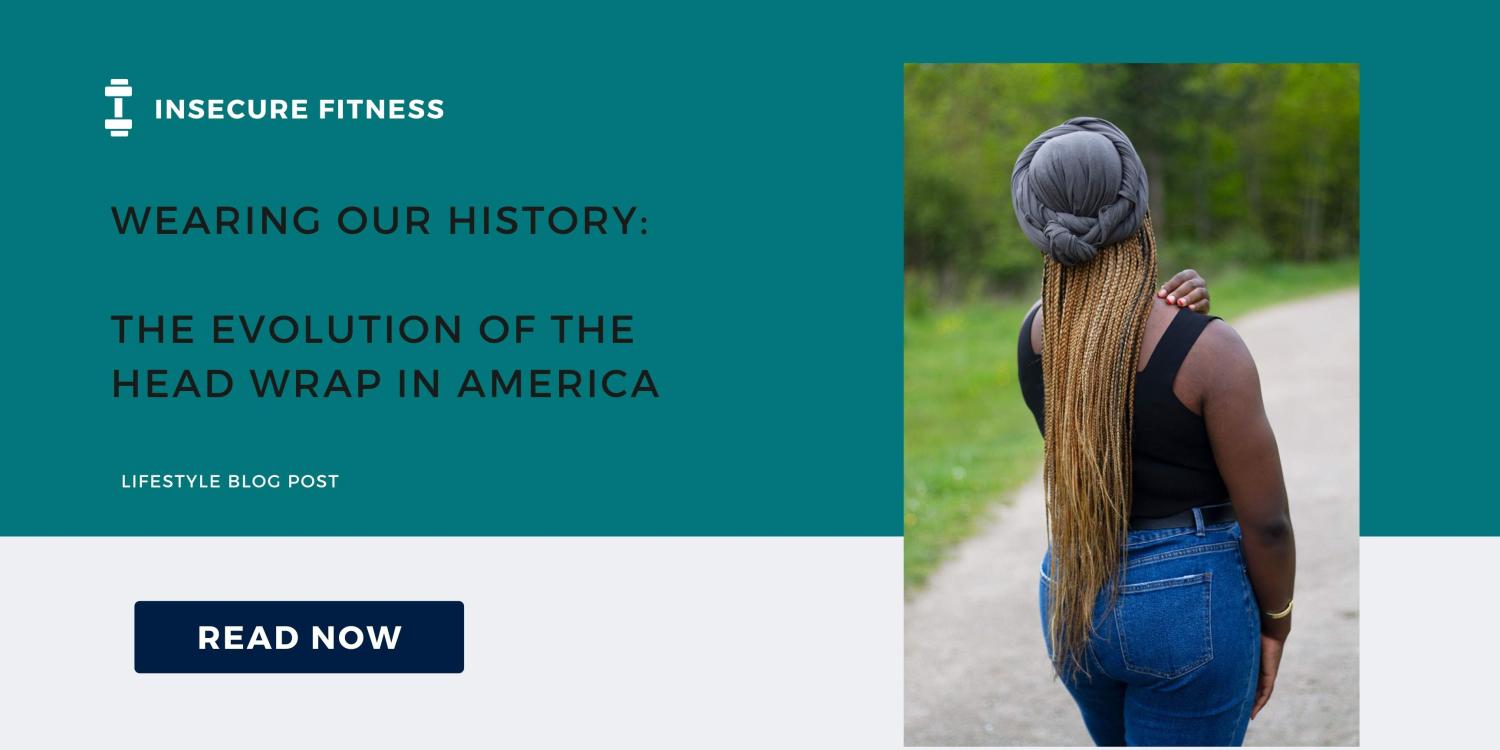
Let's explore the history of head wraps amongst black women in America and see how this fashion accessory has evolved over the years.
Opinions about black hair is just as numerous as the hair styles black women have worn over the centuries. Whilst some hair traditions are taken from African, specifically West African culture, throughout history many additional influences have impacted how black women style their hair, European culture being the most notable. Regardless of the influences involved in shaping black hair, it is always clear that women of colour have always demonstrated their creativity, identity and independence when expressing themselves.
With this creativity, there is no such thing as one size fits all. Whether you have your hair in Braids, Cornrows, Locs, Relaxed or Natural, can often change depending on personal preference and/or societal views. There has beena massive increase in the number of women rocking their natural hair. Which is great as it’s helping to normalise coily hair and remove the negative connotations associated with the afro. Each hairstyle comes with its own connotations, some good, some bad, often depending on many factors such as where you work or what country you live in. Regardless of this though, there is one accessory that has remained our companion throughout the years – the head wrap.
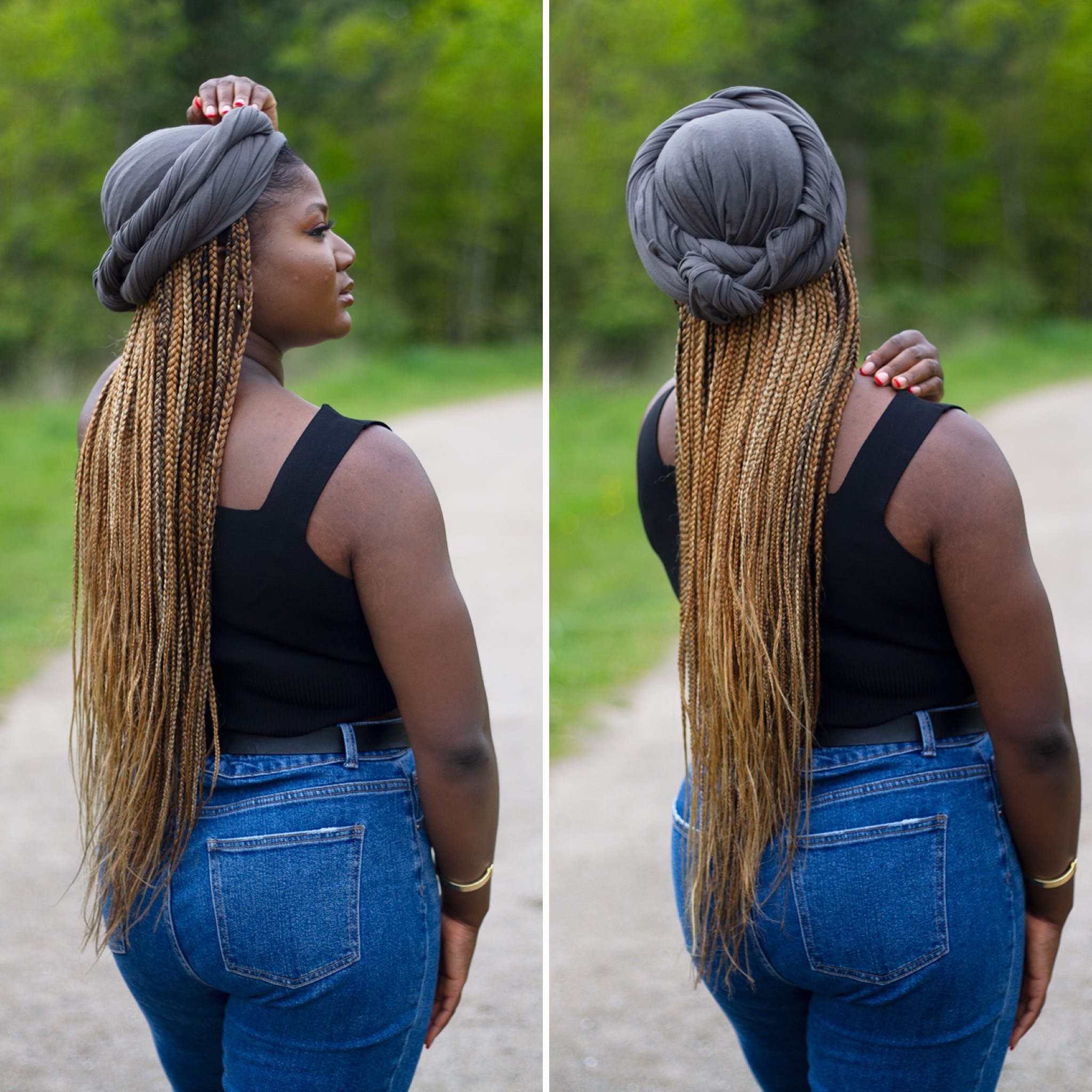 The head wrap has several functions; it can be a marker of ethnic identity, a protective wrap for your hair or a stylish accessory. This versatility is why the head wrap has remained a staple for many years. Jillian Galle, author of Engendering African American Archaeology states “the head wrap acquired significance as a form of self and communal intensity for African American women. Head wraps were a marker of ethnic identity and solidarity and acted as “a badge of resistance against the servitude imposed by whites”. The common use of head wraps for several hundred years by African American women reflects the strength of their adherence to an African-derived tradition as they forged a new ethnic identity in the American South.”
Although many aspects of the African culture were erased during America’s colonial history. It is truly amazing that the head wrap has stood the test of time. This accessory simultaneously expresses our connection to the past whilst showing the innovation and adaptation present within black culture. What’s great about the head wrap is that it can be worn with any hairstyle. It doesn’t matter if you wear your hair in a protective hairstyle, have it natural or relaxed. The head wrap has its own form of expression that attaches itself in a unique way to each individual. Even the different ways you can tie a head wrap is as varied as the hair black women wear on a daily basis.
Final Thoughts
The great thing is, you don’t have to know the long history behind head wraps to be able to enjoy it now. The past always informs the future and I’ll be interested to see how headwraps evolve in the future. Of course, head wraps are not unique to Africans or Americans. Many cultures all around the world wear head wraps, in
different ways and for different reasons. This is a topic I’ll be excited to discuss in another blog post. If you have any questions or just want to say hi, pop it in the comments below. I’m always interested to hear your thoughts.
Sign up for our newsletter to stay up to date.
We care about the protection of your data. Read our Privacy Policy.